
Major Home Adaptations
Ensuring building projects are independence projects.
Making your home safer and easier to live in for the long term.
Who this service is for
If you’re an individual or family who recognises that your current home environment requires significant changes to ensure long-term independence, safety and dignity, this service is for you.
Navigating the path to a more accessible home can feel overwhelming, especially when you’re facing long waiting lists or the “postcode lottery” of statutory services. A private assessment from Versatile gives you faster clarity on what’s needed, with recommendations based on clinical reasoning and evidence-based practice.
What the service includes
At Versatile, we translate your day-to-day functional needs into clear, practical requirements for major adaptations, so you can move forward with confidence. And because we work independently of contractors and suppliers, our advice is focused solely on what will work best for you now and in the years ahead.
In many situations, equipment can provide suitable support. However, where difficulties are likely to progress, a major adaptation such as a wet room (also known as a level access shower), through-floor lift, or ramped access is often the most effective way to “future-proof” your home. Our role is to ensure these decisions are clinically justified, tailored to your functional needs and designed to support you for years to come.
Common major adaptations we assess for include:
Level-access wet rooms
Removes the trip hazard of the bath or shower tray, allowing for safe, seated or assisted bathing.
Wash-and-dry toilets
Promotes independence and dignity in personal care, reducing the need for physical assistance.
Kitchen remodelling
Lowered worktops and accessible storage ensure you can still enjoy independence with the activities that matter most, including meal preparation for full-time wheelchair users.
Ramps and level thresholds
Provides safe, independent entry and exit from the home for those using wheelchairs.
Stairlifts and through-floor lifts
Significantly reduces the risk of falls on stairs and eases the physical strain and fatigue of moving between floors.
How do I know if I need this?
Major adaptations are typically recommended when “quick fixes” or minor equipment options are no longer sufficient to manage daily risks. Common indicators include:
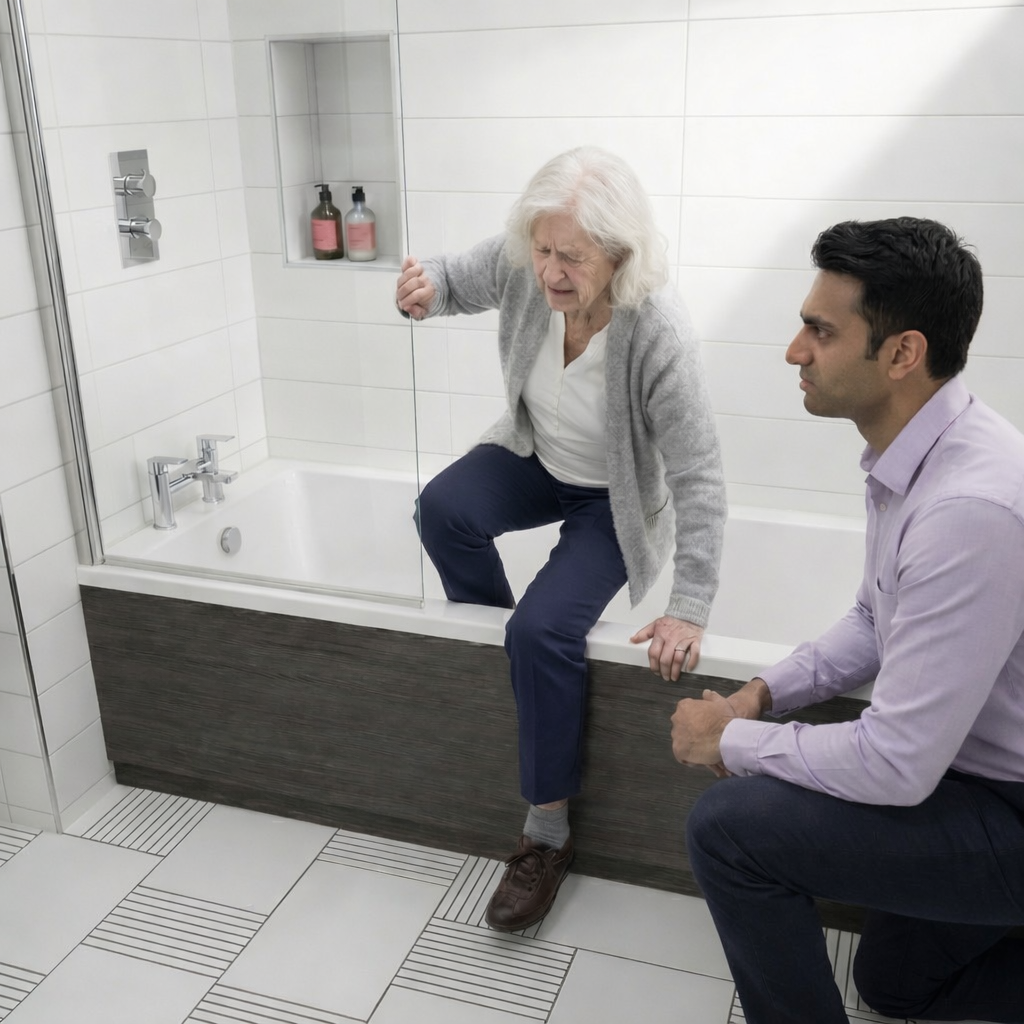
Bathing: Difficulty getting in or out of the bath, or feeling unsafe and at risk of falls in a traditional ‘walk-in’ shower setup.
Stairs: When using the stairs becomes a source of significant fatigue, pain or increased falls risk.
Access within the home: For wheelchair users, external steps or internal changes in level can prevent safe, reliable movement around the home. Where appropriate, this may involve step-free access solutions such as external or internal ramps to ensure access to essential living spaces.
Kitchen use: For many wheelchair users, standard worktop heights, sink access or cupboard layouts can make preparing a simple meal difficult or unsafe without adaptation.
The benefits of choosing a Private Major Adaptation Assessment from Versatile
Council waiting lists can take months. At Versatile, we provide private, fast-track adaptation assessments to get your project moving now.
A well-designed adaptation improves confidence, reduces the risk of falls, protects dignity and makes everyday routines sustainable.
In many cases, the right adaptation can also delay or remove the need for formal care. For example, a level-access shower may enable someone to wash and dress independently, rather than requiring daily assistance.
This has important human and practical implications. Most people value privacy and autonomy in personal care, and ongoing care packages can be costly and restrictive over time. By enabling people to do more for themselves safely, adaptations made at the right time can reduce long-term reliance on care services while improving your overall quality of life.
“We see this almost every week — well-intended adaptations that don’t quite support people as their needs change.”
How to start your home adaptation
We provide a clear, four-step journey to ensure your home modification is a success:
1
Initial consultation
This is a conversation designed to help us understand your needs and goals, and to ensure a major adaptation is the most proportionate and effective solution for you.
2
Home assessment
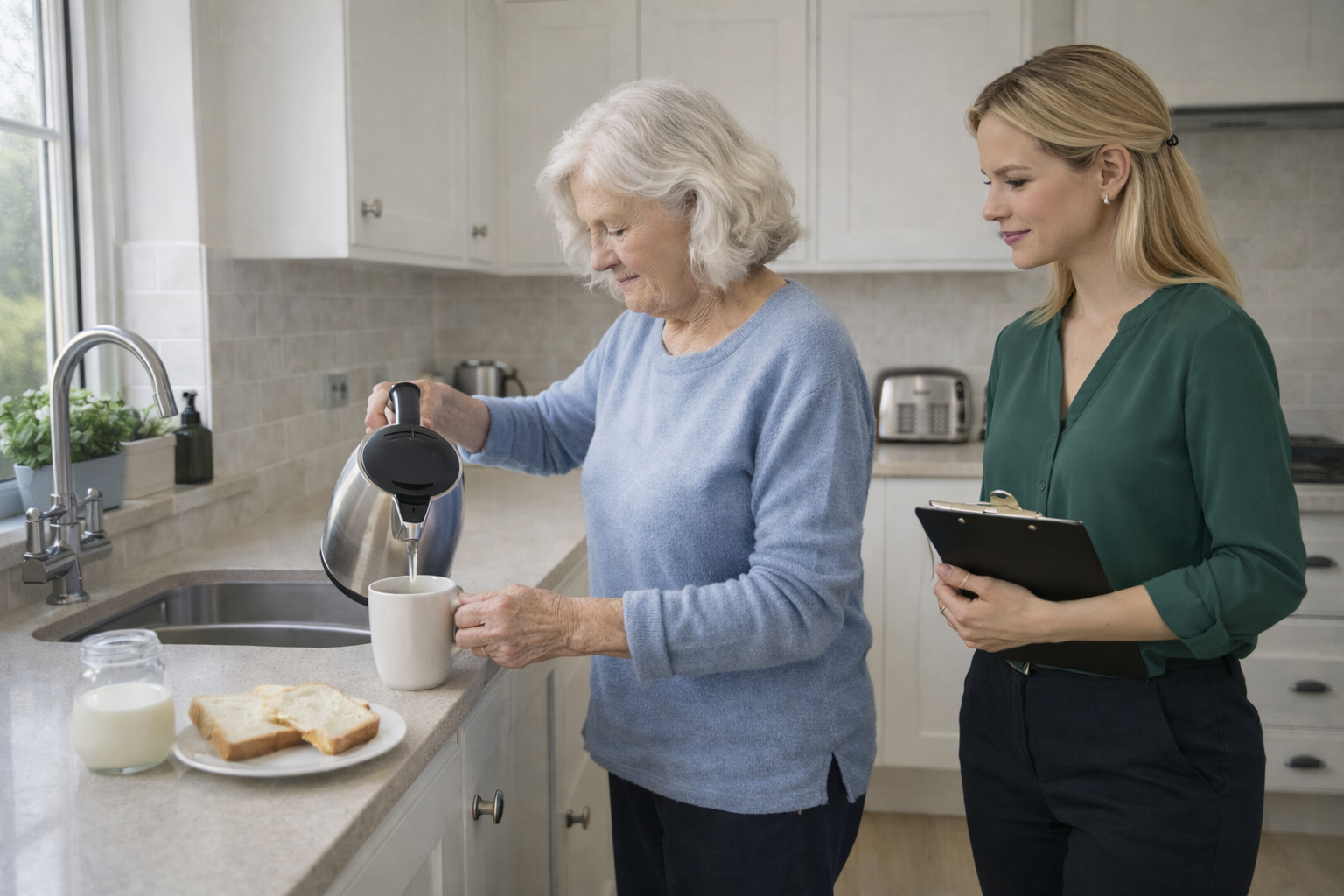
A clinician visits your home to observe your daily routines, measure the environment and identify specific architectural barriers.
3
The clinical report
You receive a comprehensive Major Adaptations Report. This document includes clinical justifications, specific environmental requirements and, where needed, guidance for architects or builders.
4
Implementation support
We provide a review of proposed plans and specifications, and offer clinical clarification to your appointed contractor or building surveyor. A follow-up visit can be arranged to review the completed works.
Book a free call to discuss your home adaptation
If you would like to discuss whether a Private Major Adaptation Assessment would be beneficial, please call us (you can arrange a callback), email us, or complete the contact form to arrange a free, 15-minute consultation.
Frequently Asked Questions
-
The home assessment is usually completed in a single visit. Your written Major Adaptations Report is typically provided within 10 working days following the assessment. If your situation is urgent, shorter timescales can sometimes be arranged. Please contact us to discuss your needs.
Once the assessment is complete, privately funded adaptations can often be progressed quickly, subject to design, supplier availability and any required approvals.
-
Our recommendations are designed with a long-term focus wherever possible, taking into account likely changes in your health conditions and mobility. This means we consider not only how the environment works for you today, but how it is likely to function over the coming years, as your routines, stamina or physical abilities change.
-
Yes. This is a common situation for which we provide advice on both pathways. As part of the assessment, we consider whether adaptation is proportionate and sustainable long-term, or whether the limitations of the property mean that rehousing may be the safer or more practical option.
-
We are clinically independent and do not carry out building works ourselves, which ensures our recommendations are objective and based solely on your needs.
However, where helpful, we can support the building process by liaising with a network of experienced building surveyors and adaptation specialists, translating clinical requirements into practical design specifications, so the finished work reflects the original therapeutic intent.
If you prefer to appoint your own builder or surveyor, we’re very happy to work with them too.
-
No. Many of our clients are living relatively well day-to-day, but they can see that parts of their home will become restrictive as their needs change over the next few years. They choose to plan ahead, rather than wait to reach a crisis point.
-
Each council runs its own DFG process, so the way applications are handled can vary from one area to another. We’re happy to talk you through how this typically works in your area, and what role an independent assessment is most likely to play, so you can make an informed decision about the best way forward.